About the Project
Artwork Title: Ritual of Small Gestures
Medium: Interactive Video Installation
Venue: online https://createpeace.online/gwen-stevenson/
Date Exhibited: April 2026 – ongoing
Hosted by: Matthias Ries
Project Overview
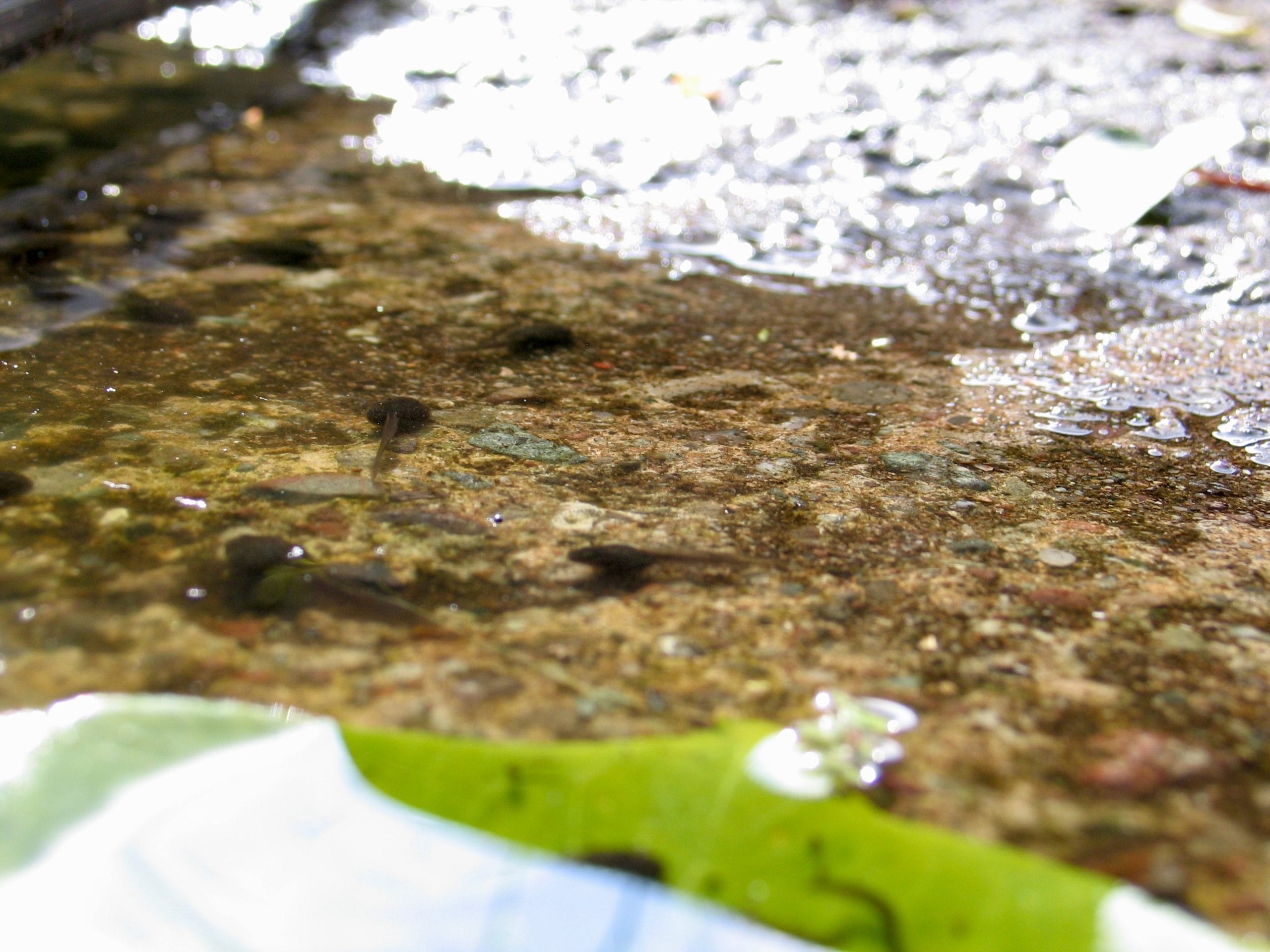
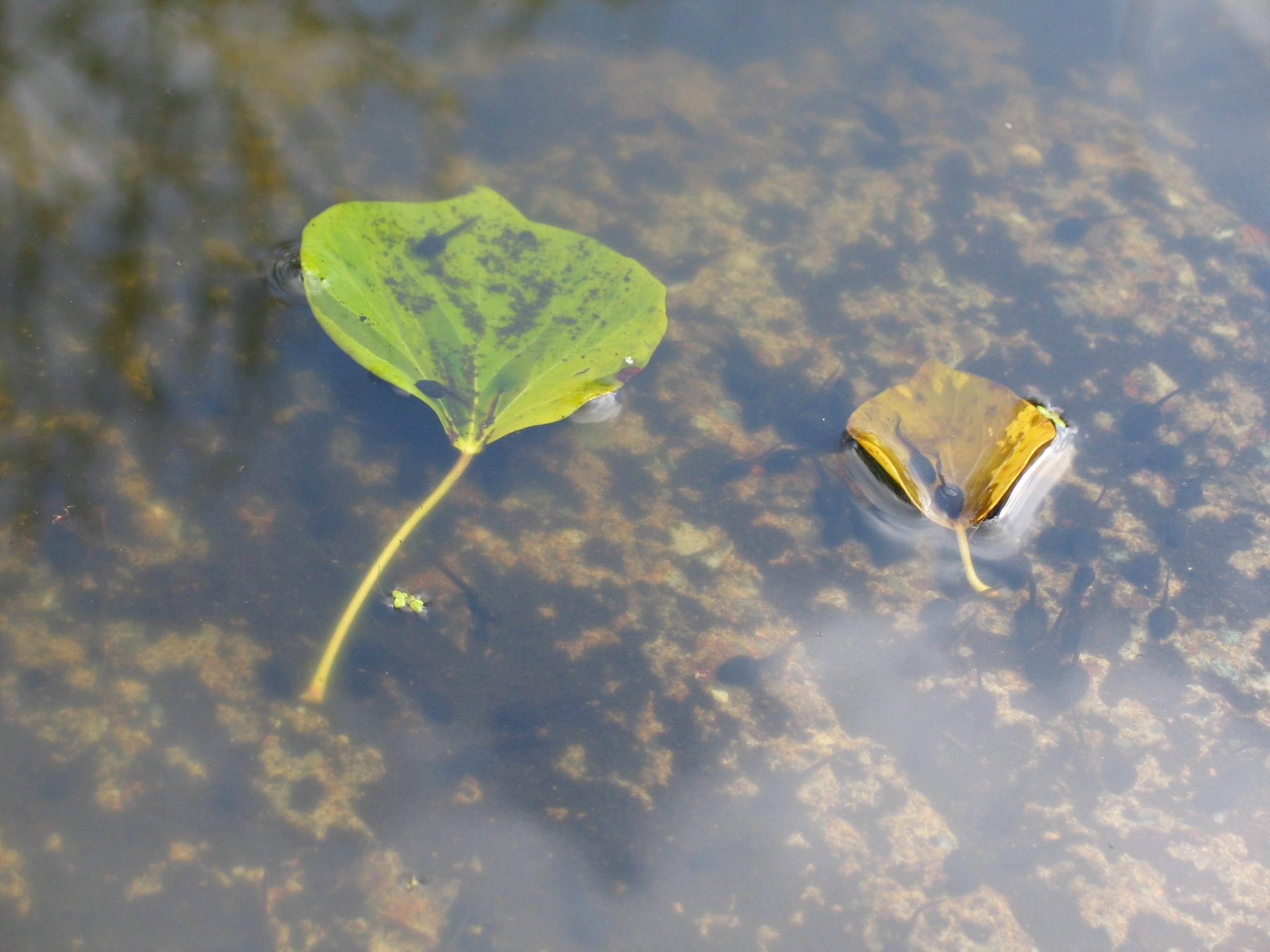
The work explores peace as something fluid and responsive, shaped through interaction, presence, and attention rather than existing as a fixed state. Using real-time hand tracking, the viewer’s movements generate ripples across a simulated water surface, while small forms of life such as tadpoles continue their own rhythms, largely unaffected by human intervention.
The piece reflects on human-centred ways of seeing and acting in the world. The water surface becomes a shared space between human gesture and more-than-human life, where disturbance is not only disruption but part of a wider ecological system. The presence of tadpoles points to the often overlooked vitality of smaller life forms, whose existence is entangled with our own.
Each interaction sends ripples outward across the frame. These gradually soften and settle, returning to a shifting sense of equilibrium. Rather than framing peace as control or stability, the work suggests it emerges through relation and interdependence, within systems that include flora, fungi, other species and human communities.
In this expanded view, ideas of coexistence are inseparable from questions of power, inequality, and the histories shaped by extractive and profit-driven systems. The work sits alongside anti-colonial perspectives and a broader consideration of how care, fairness and responsibility are distributed across shared environments.
The work frames peace as an ongoing process rather than presenting it as an ideal state. It invites reflection on how small actions resonate across connected systems and how more attentive ways of living might support more just and sustainable forms of coexistence between humans and the more-than-human world.
This project combines original video footage with TouchDesigner and MediaPipe networks. The work links body tracking data with live visual feedback systems to create responsive interactions.
It considers how perception changes when images are no longer static but responsive, and how meaning emerges through interaction rather than passive viewing.